What Quillet does, from a saved draft to your site
Quillet keeps your site's words apart from its code, keeps every save as a version, and makes going live a separate act. Content managers work in a dashboard; engineers read from their own code.
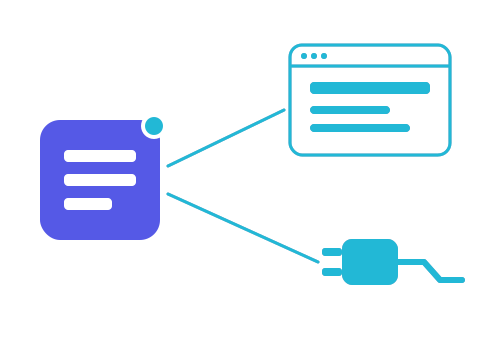
Each part below rests on one decision: a save never reaches readers, a translation never copies its source, a file never belongs to one environment, and the key a site holds can never write. Each says what it does in three sentences and links to the Concepts page that explains why.
Quillet does not draw your site, and it has no scheduled publishing, approval step or named release. What Quillet is lists the rest of what it leaves out.
Part by part
Six parts, each beside the animation that performs it. The title of each opens its Concepts page.
Write and publish
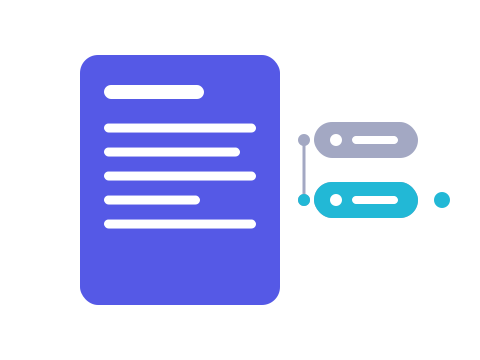
Every save adds a version that never changes, and History keeps them all. Publishing makes one version live, and your site serves no other. Restoring an old version adds it as a new draft.
Components and pages
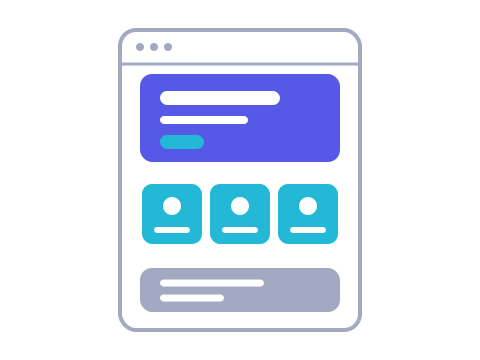
A component describes a shape once, as JSON Schema, and the dashboard builds its form from it. A save that does not fit is refused, field by field. A page is a document made of blocks.
Locales
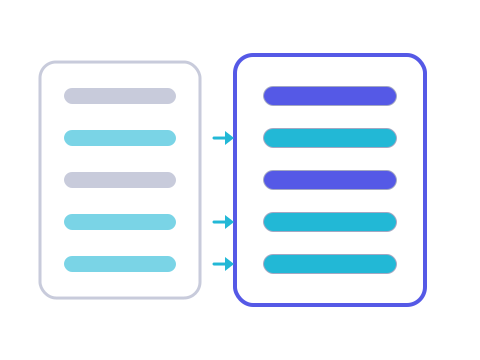
A translation holds only the fields it translates. Every other field is read from the default locale, so a page never shows a blank. The answer lists the fields that fell back.
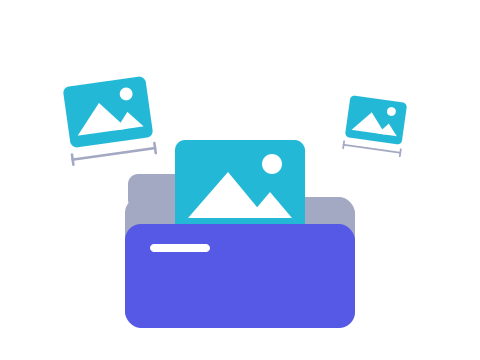
Media
A file belongs to the project, so every environment uses the same one. It is public unless you mark it private. A photo is served at set widths in WebP, AVIF, JPEG or PNG, each copy made once.
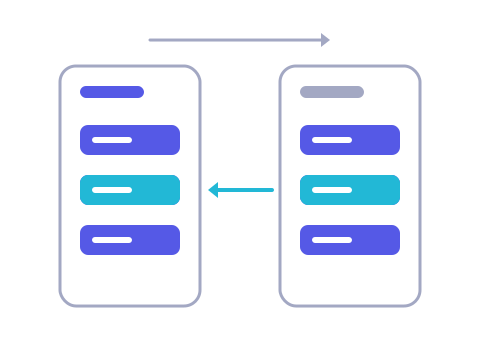
Environments and promotion
An environment is a full copy of a project’s content, such as staging beside prod. A compare shows every difference between two. You promote the rows you choose, in one transaction.
Delivery and webhooks
Your site reads published content with a key that can do nothing else. Answers are cached and a publish clears them. A webhook names what changed; your site decides what to refetch or rebuild.
Try it on your machine
The quick start runs Quillet with Docker Compose and takes one page from a draft to your own code in about fifteen minutes.